Feel Good About Your Feet Again
Learn about bunion symptoms, causes, and treatment options that can help restore comfort and mobility.
Bunions can affect more than the appearance of your foot. Over time, they may lead to discomfort, changes in mobility, and challenges with everyday activities. Learning about your symptoms and available treatment options can help you find the right path toward relief.
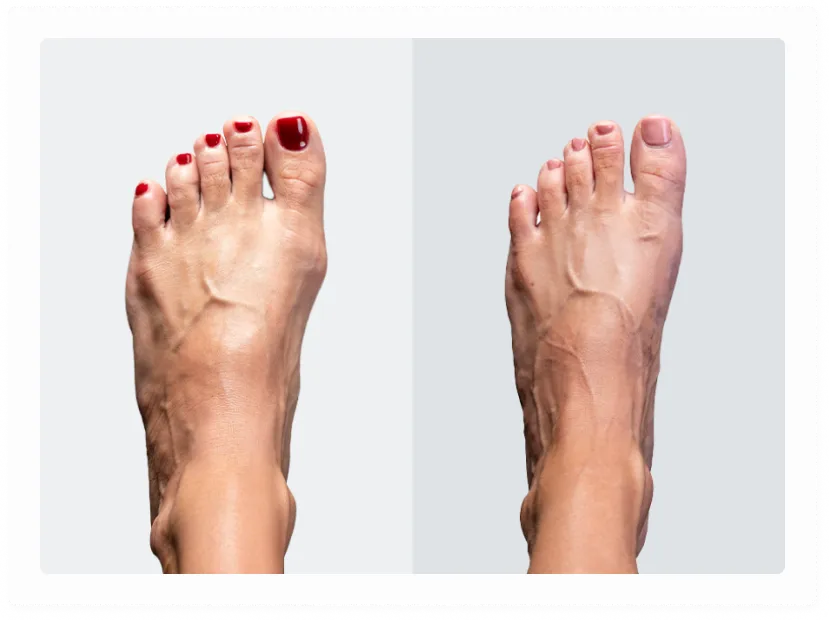
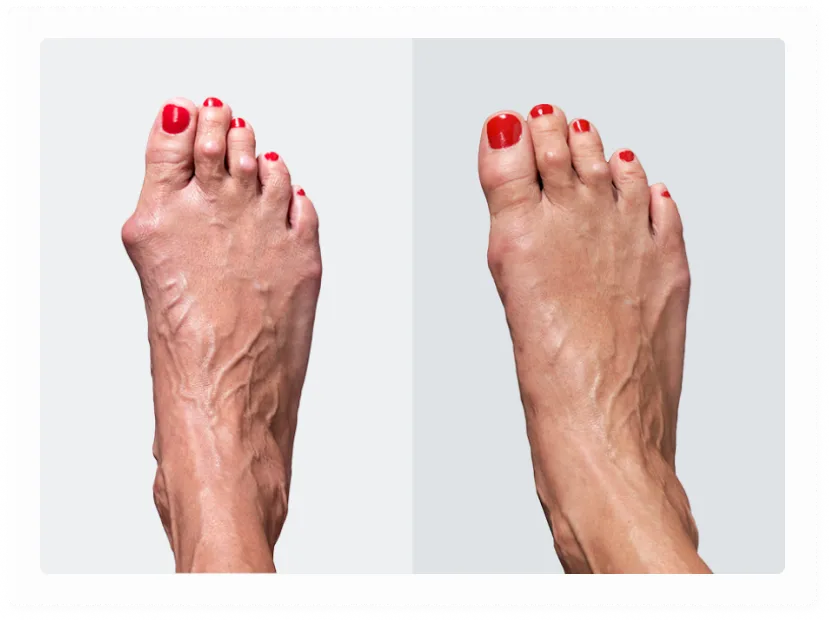
Although a bunion often appears as a bump on the side of the big toe, the bump is actually caused by the bones and joint moving out of alignment—not by a growth of new bone. You may experience symptoms such as:

Pain and Tenderness
Pain or tenderness at the base of your big toe

Corns and Calluses
Corns or calluses caused by the first and second toes rubbing together

Shoe Discomfort
Pain, irritation, or pressure when wearing certain shoes

Redness and Swelling
Redness and swelling at the joint of the base of the toe

Numbness and Tingling
Numbness around your big toe, especially after standing for long periods
Every bunion is different, which means your treatment should be personalized. Depending on your symptoms, condition, and lifestyle, your surgeon may recommend an Arthrex minimally invasive technique or a procedure that addresses the underlying cause of your bunion.
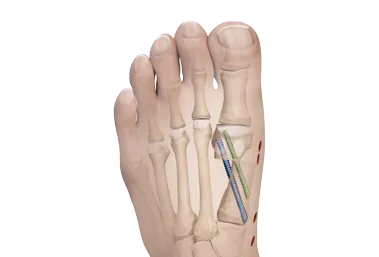
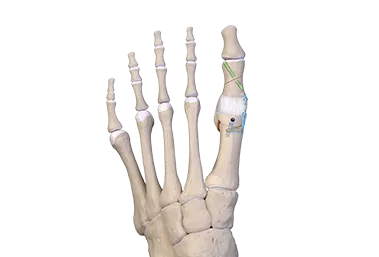
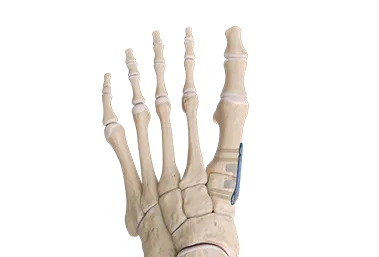
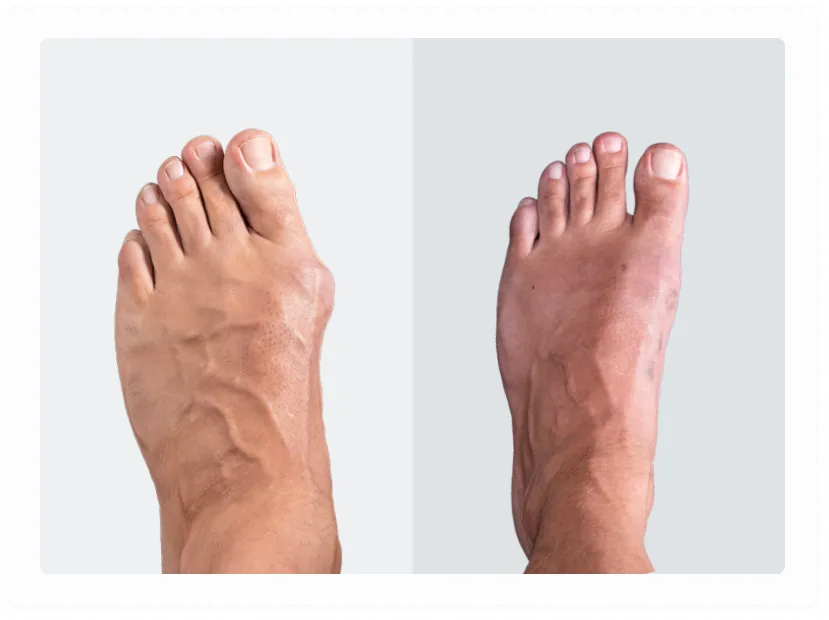
Explore commonly asked questions about bunions, treatment options, and how a surgeon can help determine the right approach for you.
What causes bunions?
Bunions are caused by a combination of factors, including genetics (a family history of bunions), foot structure (such as flat feet), and pressure from footwear (tight or narrow shoes). In most cases, bunions are not caused by a single factor, but by a mix of both inherited and external influences.
Do bunions get worse over time?
Yes, for many, bunions become more noticeable and symptomatic over time. Progression may include increased prominence of the bump, greater toe misalignment, and more frequent or severe symptoms.
Can bunions be corrected without surgery?
Bunions cannot be permanently corrected without surgery. Nonsurgical treatments may slightly reduce discomfort and pressure but cannot realign the joint that has shifted due to a bunion. If your goal is long-term correction rather than temporary relief, it may be helpful to discuss surgical options.
What is a bunionette?
The difference between a bunion and a bunionette is the location on the foot: a bunion occurs on the big toe, whereas a bunionette occurs on the outside of the pinky toe. Like bunions, bunionettes are formed by bone misalignment and can lead to discomfort and shoe irritation.
Can I get surgery on my bunionette?
Yes, bunionettes of the pinky toe can be treated with techniques similar to those used for bunions of the big toe. Minimally invasive approaches using small incisions may be used in appropriate cases to reduce the bump and improve alignment of the pinky toe.5